
Home / History
Ideas have never stayed still, and neither has the 11th International Conference on New Trends in Teaching and Education (NTTECONF). Since its first gathering in Barcelona in 2019, what began as a small academic event has grown into a global meeting point for researchers, educators, and thinkers from many fields. Each edition adds new perspectives, new collaborations, and new motivation to the shared goal of advancing knowledge in teaching and education.
Now, as NTTECONF prepares for its 11th edition in Barcelona on 07 - 09 August 2026, its mission remains clear: to challenge assumptions, connect ideas, and push interdisciplinary research toward the future.
Dialogue is the main starter for teaching innovations, and NTTECONF has been the platform for such discussions since the year it was first held in 2019. Starting from its inception in Barcelona, the conference has developed into a global center for not just teachers but also researchers and other thinkers to share their views, look into the trends, and cooperate with each other across various fields.
Past Editions
Discover how NTTECONF has grown over the years, moving through different cities, embracing diverse cultures, and connecting generations of scholars. Each edition reflects the evolving ideas, collaborations, knowledge, and innovations.
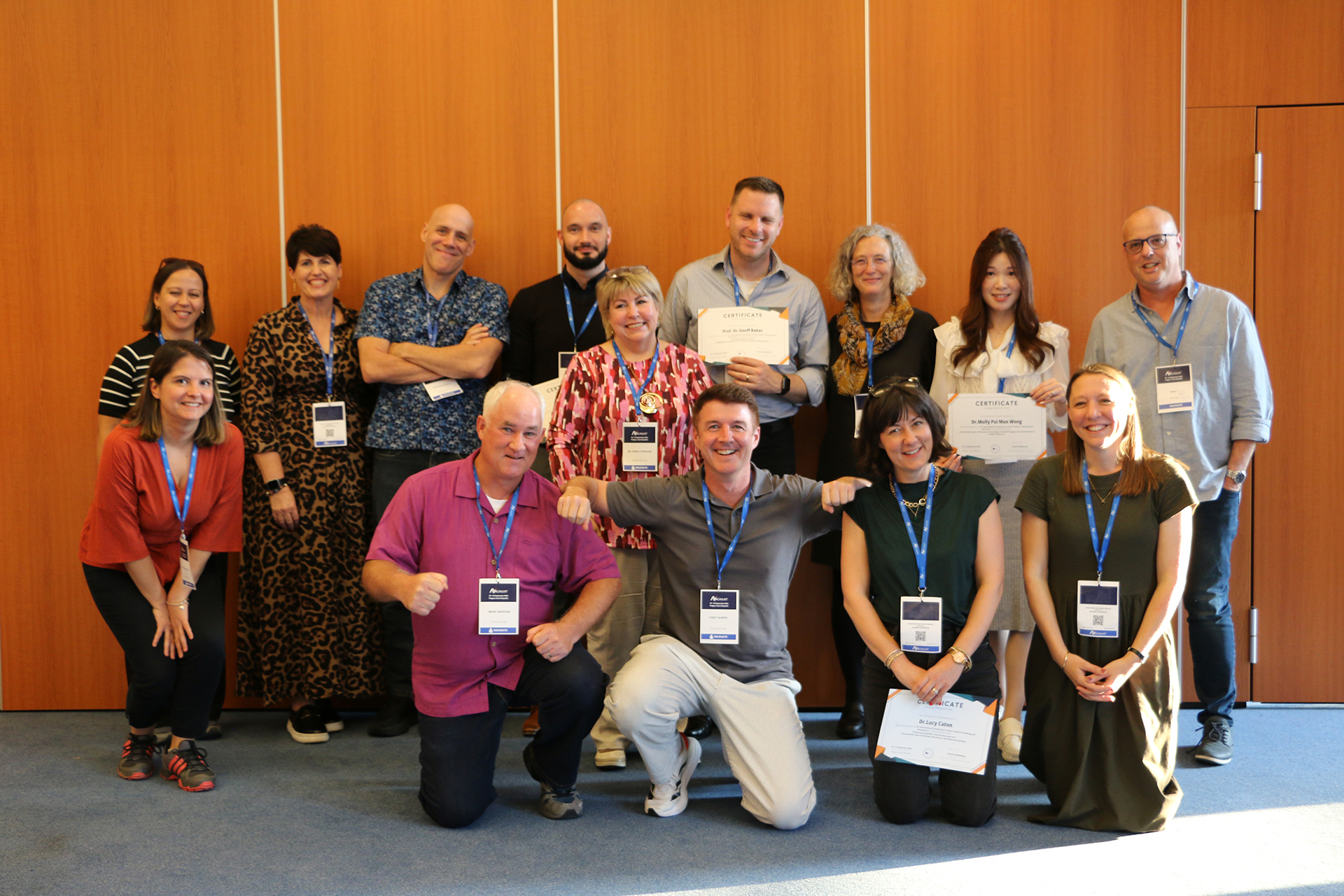
10th
Themes:
Higher Education Innovation
Global Learning Perspectives
Technology-Enhanced Learning
Scholars from South Africa, Japan, Hong Kong, Spain, the United Kingdom, Kuwait, Greece, Turkey, Mexico, Slovakia, and the Czech Republic explored higher-education innovation, technology integration, and global perspectives in learning. The conference highlighted how emerging technologies can promote equity and engagement in diverse classrooms. It was a defining moment in integrating digital transformation with inclusive educational values. This edition also fostered cross-cultural partnerships that continue to shape ongoing NTTECONF initiatives.
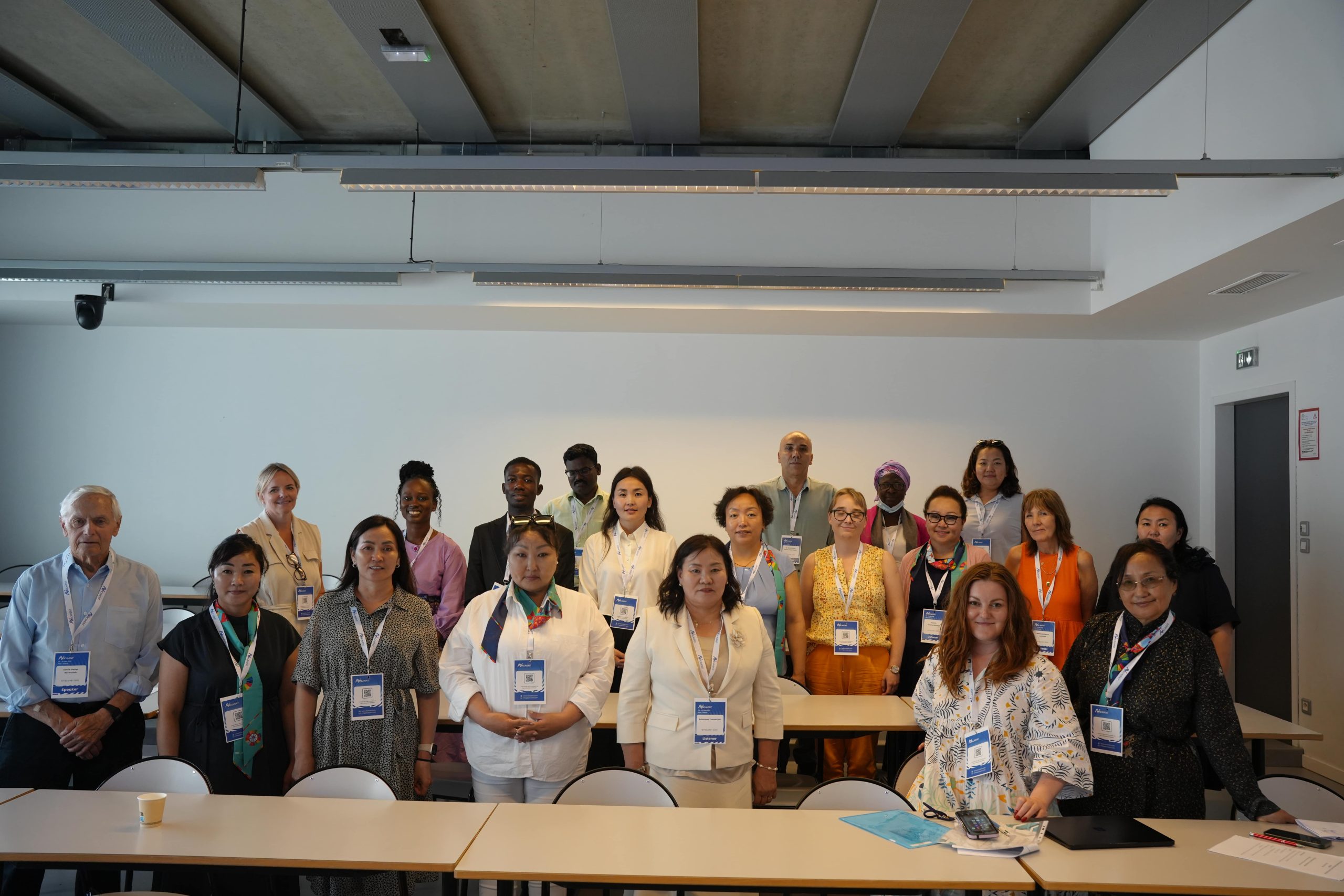
9th
Themes:
Neurodiversity In Education
AI-Based Learning Tools
Immersive Learning Technologies
The ninth edition brought together participants from Australia, Sweden, Canada, Israel, Nigeria, South Africa, Spain, the United Kingdom, Singapore, the UAE, Slovenia, Ghana, South Korea, Turkey, Palestine, and the United States. Focus was on neurodiversity, AI in education, and immersive learning technologies. It showcased how advanced technologies and inclusive pedagogy can coexist to redefine the future of education. This edition’s outcomes further established NTTECONF as a bridge between academic research and transformative educational practice.
8th
Themes:
Higher Education Innovation
Global Learning Perspectives
Technology-Enhanced Learning
Scholars from South Africa, Japan, Hong Kong, Spain, the United Kingdom, Kuwait, Greece, Turkey, Mexico, Slovakia, and the Czech Republic explored higher-education innovation, technology integration, and global perspectives in learning. The conference highlighted how emerging technologies can promote equity and engagement in diverse classrooms. It was a defining moment in integrating digital transformation with inclusive educational values. This edition also fostered cross-cultural partnerships that continue to shape ongoing NTTECONF initiatives.

7th
Themes:
Inclusive Learning Practices
Educational Leadership Innovation
Professional Development Programs
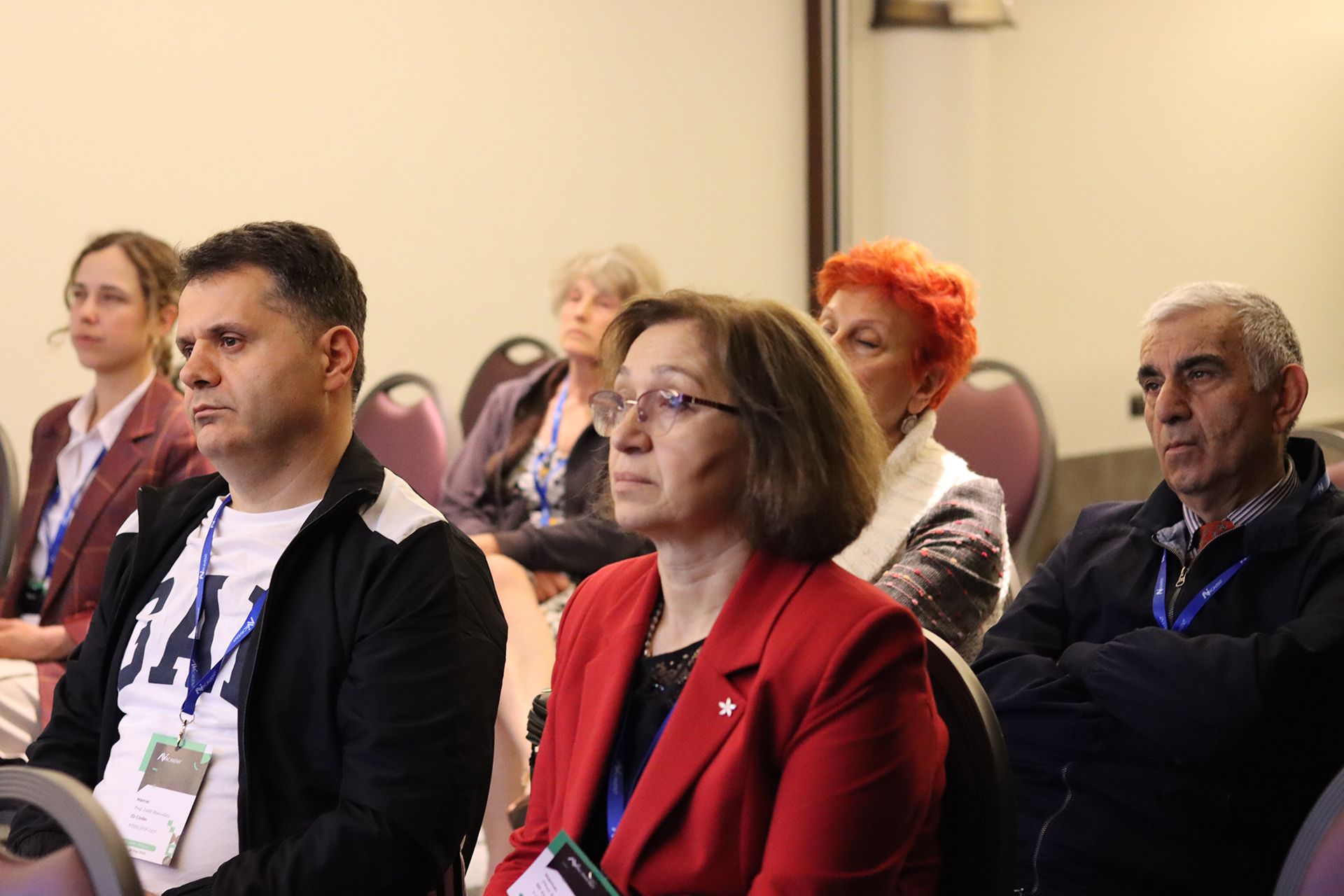
Participants from South Korea, Greece, Germany, Mexico, Brazil, the United Kingdom, Indonesia, Nepal, Egypt, and the United States joined, focusing on professional development, inclusion, and leadership in education. The Berlin edition elevated collaboration as a catalyst for transforming classrooms and empowering teachers. It strengthened NTTECONF’s position as a hub for leadership-driven educational innovation. This edition’s outcomes emphasized the need for lifelong professional learning aligned with modern pedagogical standards.
6th
Themes:
Teacher Competency Building
Adaptive Learning Strategies
Assessment Innovation
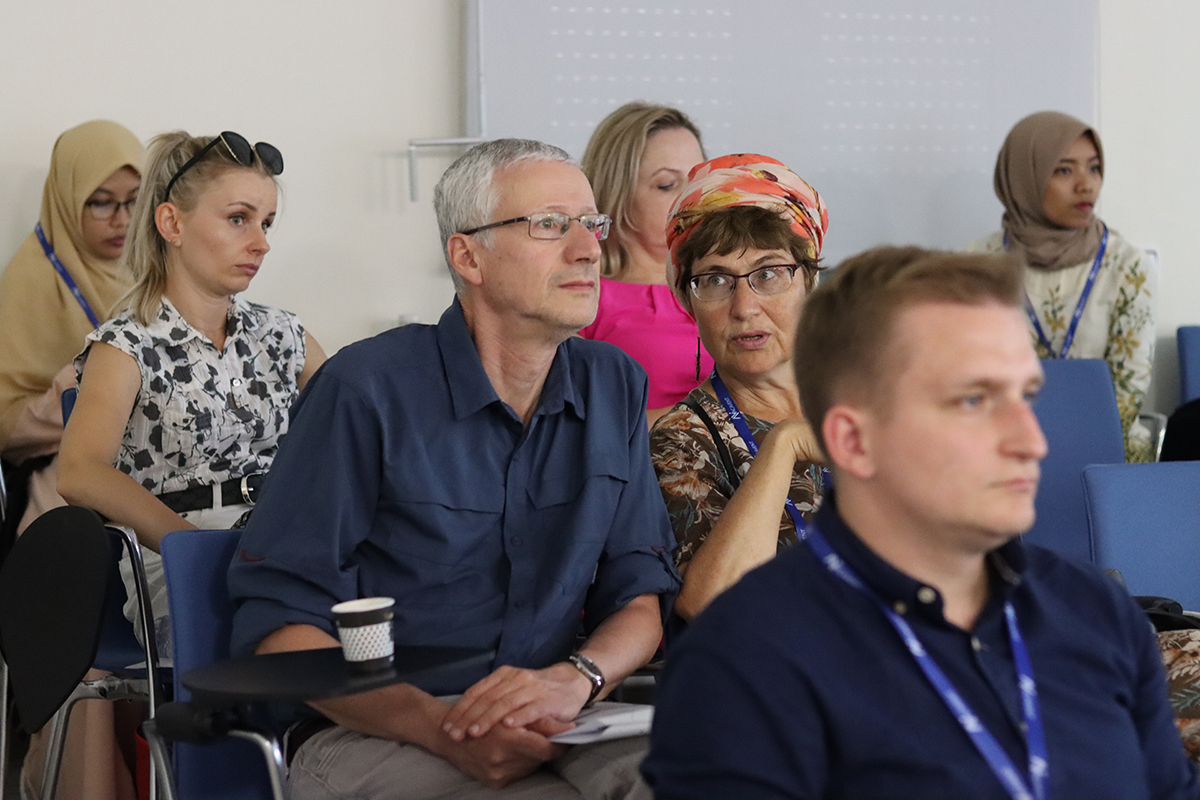
This edition gathered participants from Germany, Greece, Romania, the UAE, South Africa, the United Kingdom, Canada, Indonesia, Georgia, Qatar, Estonia, Thailand, Australia, New Zealand, Belgium, India, Oman, and Denmark. Discussions focused on teacher competencies, adaptive learning, and assessment innovation. It marked a pivotal moment in promoting evidence-based practices and international partnerships across disciplines. The event reinforced NTTECONF’s growing influence as a network dedicated to educational transformation through collaboration and technology.
5th
Themes:
Digital Learning Innovation
Blended Education Practices
Equity In Education
The fifth edition welcomed participants from Greece, Portugal, Germany, Spain, Romania, the United Arab Emirates, the United Kingdom, Georgia, South Africa, India, Indonesia, Nigeria, Canada, and Estonia. Emphasis was on blended learning, digital tools, and equity in education. The conference underscored how digital transformation can break geographical barriers, uniting educators through shared learning goals. It marked a turning point in NTTECONF’s evolution, transitioning from a European initiative to a truly global platform.

4th
Themes:
Teacher Program Evaluation
Inclusive Learner Support
Interdisciplinary Teaching Approaches
Participants from the USA, Spain, Russia, Saudi Arabia, Nepal, the United Kingdom, Croatia, Canada, Slovakia, Moldova, Romania, Norway, Israel, and Italy attended. The focus was on teacher evaluation, interdisciplinary teaching, and support for culturally and linguistically diverse learners. This edition expanded NTTECONF’s academic diversity and reinforced the importance of collaboration between researchers and practitioners. It also showcased a growing commitment to bridging policy and classroom innovation through interdisciplinary dialogue.

3rd
Themes:
Content Language Integration
Socio-Emotional Learning
Quality Management Education
This edition brought together researchers from Japan, Ireland, Morocco, and the Netherlands, focusing on remote collaboration and sustainable educational practices. Participants explored CLIL, TQM in secondary schools, and socio-emotional learning for young learners. It stood out for its strong emphasis on emotional intelligence and teacher empowerment in evolving learning environments. The discussions underscored how adaptive learning models can ensure resilience in global education systems.

2nd
Themes:
21st Century Pedagogy
Teacher Professional Development
Multilingual Classroom Strategies
Participants from Nigeria, Germany, and Moldova joined to explore innovations in teaching despite global challenges. The edition emphasized 21st-century pedagogy, professional development, and language use strategies across classrooms. It further expanded NTTECONF’s network by promoting open dialogue between educators and researchers working toward more equitable education systems. This momentum positioned the conference as a leading voice for inclusive and collaborative educational reform.

1st
Themes:
Digital Assessment Systems
Inclusive Teaching Practices
Competency-Based Learning
The first NTTECONF brought scholars from Iran, Germany, Oman, Thailand, Denmark, Taiwan, the Czech Republic, South Africa, Ghana, Japan, Israel, Nigeria, Sri Lanka, and Poland. Participants explored digital assessment systems, culturally responsive teaching, and competency-based learning. This edition set the tone for international collaboration and established a foundation for global dialogue. It also demonstrated how emerging educational technologies could bridge cultural and pedagogical divides among diverse academic communities